Star Wars: Zero Company - A Brilliant XCOM-like Experience
```html
Many video game genres emerge by closely following existing successful titles, introducing only minor gameplay adjustments and a distinct thematic overlay. The XCOM-like genre is a prime example: these are turn-based tactics games where players manage a small squad of permanently vulnerable allies through grid-based combat scenarios, interspersed with base management and RPG-lite elements. Star Wars: Zero Company fits this mold perfectly, transplanting the familiar XCOM formula into the Star Wars universe, and by all accounts, it promises to be exceptional.
The inherent brilliance of XCOM, particularly the modern Firaxis iterations, makes it a natural fit for the Star Wars universe. Game director Greg Foertsch aptly described it as a "perfect pairing," noting that it's surprising such a combination hadn't been explored before. Given the profound influence of Star Wars on science fiction and the prevalence of sci-fi themes in XCOM-like games, along with the pedigree of Bit Reactor's team, many of whom previously worked at XCOM developer Firaxis, Zero Company represents a convergence of established concepts. Essentially, if you appreciate either XCOM or Star Wars, you'll likely enjoy this game; if you love both, you're in for a treat.
While simply calling it "XCOM Star Wars" is somewhat reductive, the game does introduce several differences, some subtle and others more significant. Fortunately, these changes are generally well-implemented, even if they slightly deviate from the absolute purity of certain XCOM mechanics, such as the classic "two action points for everyone" rule, which has been modified here.
The Star Wars theme is most prominently showcased through a relatively linear narrative. While not overly intrusive, with most missions feeling like standard fare, a few key narrative beats punctuate the gameplay, thus preserving the crucial replayability inherent in these types of games. This narrative framework allows for all the expected Star Wars elements to shine.
Players take on the role of a scoundrel leading a rag-tag crew, reluctantly drawn into a larger conflict. While this premise is familiar within Star Wars properties, a novel enemy faction infested with brain-eating worms, intriguing late-Republic intelligence officers, and the charismatic southern drawl of the default protagonist, Hawkes, inject fresh life into the narrative. The customization options for Hawkes, allowing for species like Zabrak (similar to Maul) or Twi'lek, further enhance player agency. The writing also injects genuine roguish charm, hinting at a light, noir-inspired thriller involving Hutt gangsters, dockyard espionage, and those enigmatic intelligence officers.
A significant departure from most XCOM-inspired titles is the ability to explore the player's base in third-person. Certain missions, particularly narrative-focused ones, even begin with a period of third-person exploration. The base itself resembles a smaller version of Destiny's Tower or Marvel's Midnight Suns' mansion, with static vendors and crew members stationed at their posts, ready for casual conversation or to impart vital information. This exploration can also lead to side missions, such as one involving a former Republic Clone Trooper crewmate and the rescue of an old war comrade.
The base-building metagame largely adheres to familiar principles, with various stations offering upgrades and unlocks over time. For instance, the droid bay might be inactive initially, while the medbay can be upgraded for more beds, the armory for increased weapon availability, and a terminal for recruiting additional operators. These upgrades contribute to a satisfying resource loop, where missions yield credits used to expand the total number of available operators, creating a classic and highly addictive turn-based tactics cycle.
However, Zero Company introduces some novel twists. A prominent evolution is the "bonds" system between operators, including the main character. This mechanic thematically aligns with the "rag-tag crew" trope favored by Star Wars and enhances the sense of attachment and jeopardy that fans of the genre cherish, providing even more emotional weight to the loss of a long-term operator. Operators gain experience by undertaking missions together, leveling up their bonds. Upon leveling up, they receive a skill point and a chance for "Cross Training," where players choose from minor passive buffs, such as increased HP or ranged damage.
This, in turn, feeds into another new system called "Operations." These serve as pre-mission interludes where players spend "Intel" resources, earned daily and capped, to engage in short, text-based adventures. Players are presented with choices, each with semi-hidden outcomes, offering small but potentially crucial rewards as the game progresses and strategic decision-making becomes paramount. As I delved deeper, I encountered specific "dilemmas" where choices could strengthen bonds with some operators while weakening them with others. On standard difficulty and early in the game, these minor relationship shifts were manageable, but I suspect they will become significantly more impactful on higher difficulties or as casualties mount.
Combat missions are meticulously designed, offering a good balance of verticality, varied engagement ranges, and destructible cover. The early game, despite a focus on droids, presents a diverse array of enemy types. Each operator has three action points, with movement and attacks consuming varying amounts. My sniper build, for example, used two points for firing, while other operators might use one or expend all remaining points for a rapid-fire attack.
The "assists" system further enhances teamwork and bonding. An operator can select the assist option and designate another operator to assist them. When the first operator attacks, the second takes a free shot. Bonds and character-specific bonuses, including individual skill trees, can amplify the effectiveness of these assists. Crucially, these assists synergize with other combat bonuses, such as blaster damage, enabling strategically designed operator pairings to overcome increasingly challenging encounters.
Operators also possess a range of general abilities. Beyond customizable equipment like weapon mods and grenades, each operator has unique skills. My marksman, Hawkes, could steady his aim for increased critical hit and accuracy, or deliver a guaranteed-hit sniper shot. Alternatively, he could grant an adjacent character an extra action point for the turn. Jae, a character acquired later, has a finisher ability that triggers on enemies below a certain health threshold after allies have attacked.
Enemy improvements become apparent as the game progresses. Super Battle Droids, for instance, may charge a powerful rocket attack, presenting a strategic target or evasion opportunity. Other enemies utilize grenades extensively. I also encountered a system where the primary enemy faction gradually levels up. Intelligence gathering can allow players to sabotage enemy buffs during their research phase, forcing players to contend with the remaining advantages for the remainder of the game, further bolstering replayability and role-playing opportunities.
Mission variety is also a strong point, even in the early stages. Objectives range from timed rescues to cracking safes or remotely operating heavy machinery for an escape route. While these missions fit the general turn-based tactics mold, the diversity of objectives and the expansive Star Wars locations ensure that each of the roughly dozen missions I played felt distinct.
Ultimately, Star Wars: Zero Company succeeds by being sufficiently distinct to stand out in the turn-based tactics genre and by integrating the Star Wars universe beyond mere aesthetics. Based on my initial hours of gameplay, it flawlessly executes its premise. For fans of XCOM and Star Wars, it appears to deliver exactly what they would hope for: XCOM with a Star Wars coat of paint, built upon the robust foundations of the former and crafted by a team that clearly understands both its source material and its genre. It truly is a perfect match.
Fresh materials — Esports
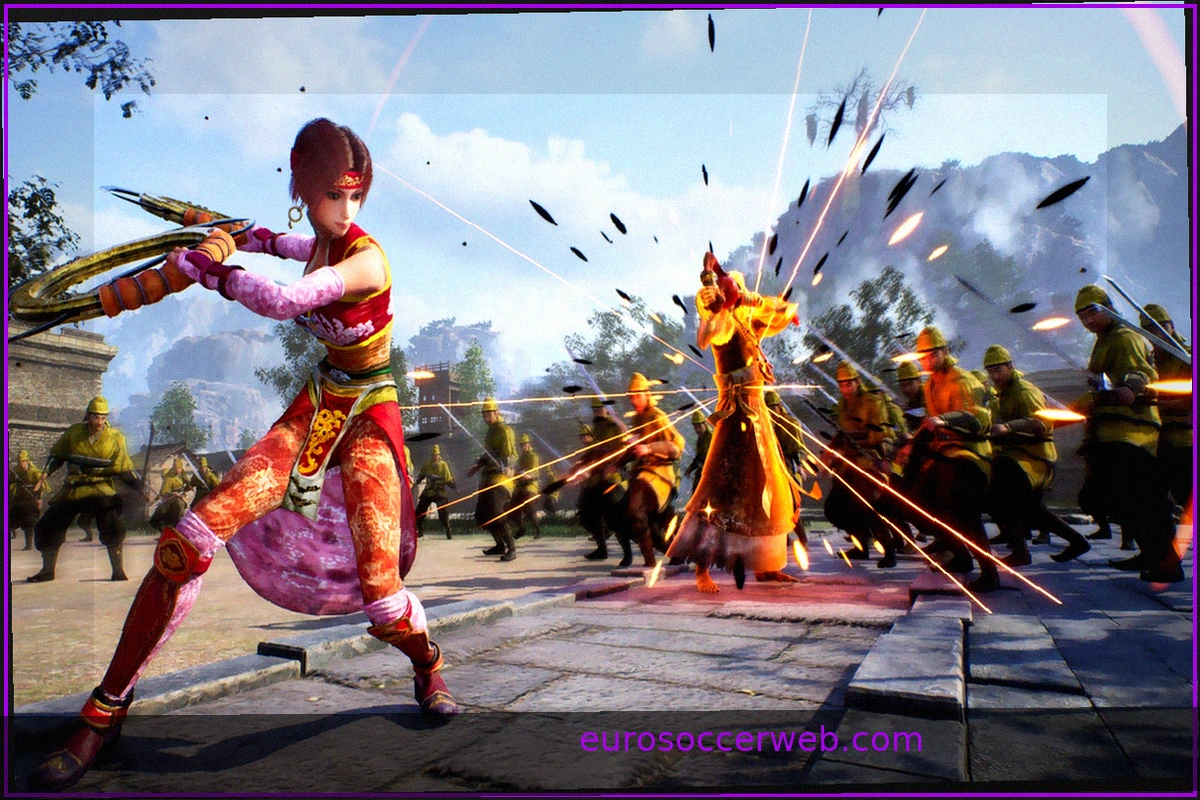
Dynasty Warriors Producer Prefers New Games Over Remasters
Tomohiko Sho, the producer behind Dynasty Warriors, stated his career focus is on developing new games, not revisiting old ones through remasters. While Sho hasn't ruled out future remasters, he's not eager to take them on. Following the release of Dynasty Warriors 3 Complete Edition Rem
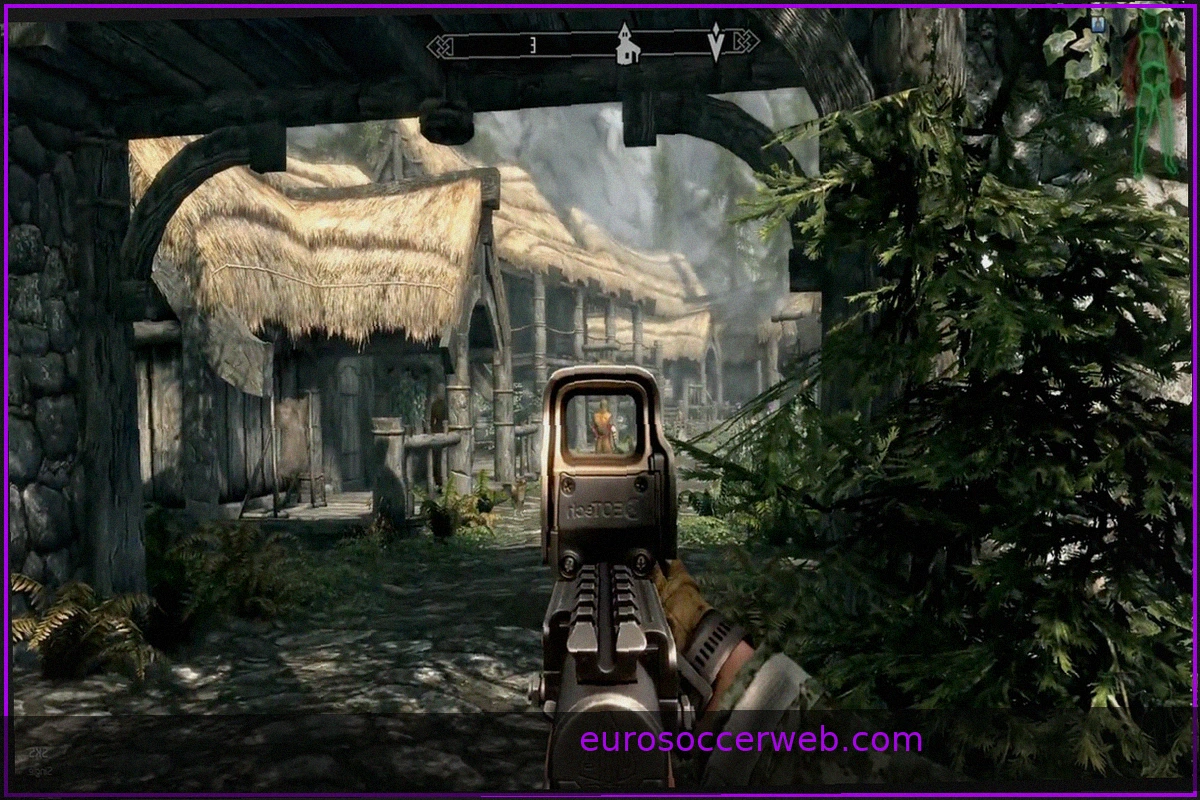
Modding Community Uproar Over AI-Generated Game Mashups
Experienced mod creators are voicing strong disapproval of a new trend dominating their online spaces: AI-assisted "mashup" mods. These creations, often described as "vibe-coded," combine elements from vastly different games. As reported by IGN, a growing number of modders, some admitting to usin
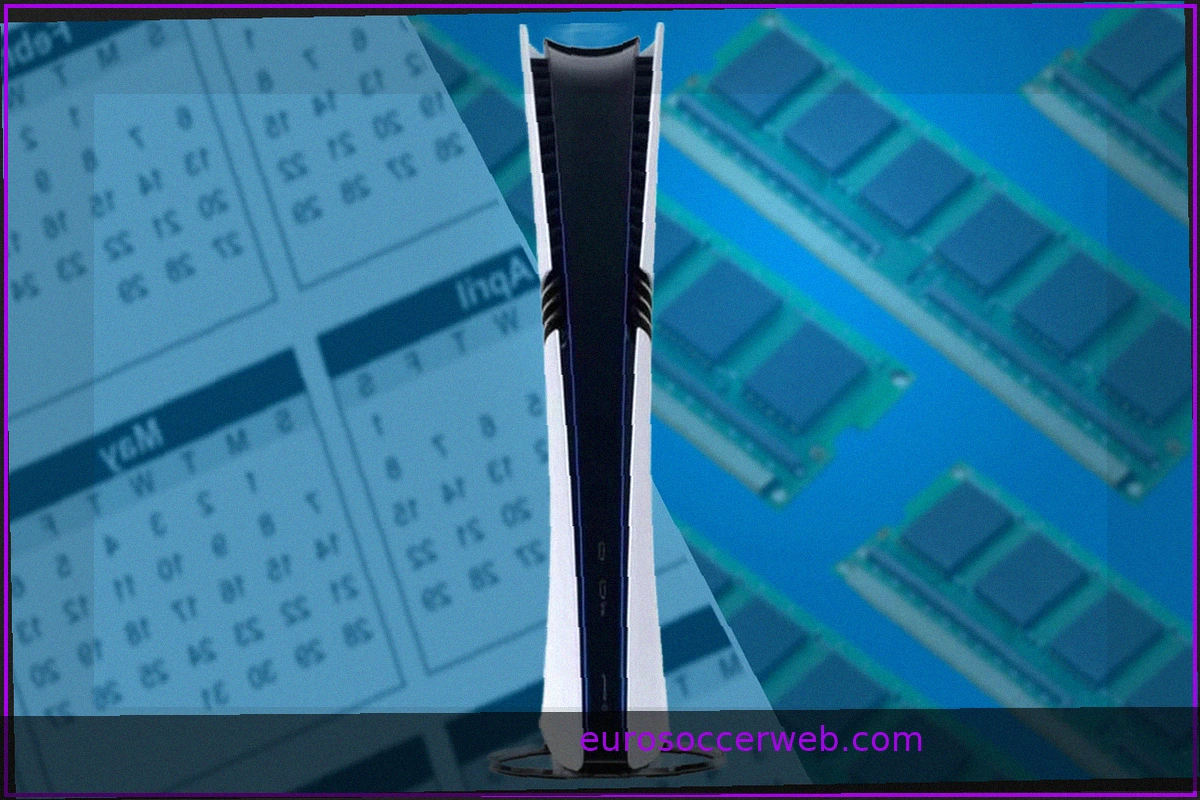
Micron CEO: Memory Shortages to Persist Until 2028
Micron anticipates ongoing global RAM shortages, with most of its next year's production already sold. CEO Sanjay Mehrotra advises customers to expect prices significantly higher than in 2026. He predicts demand will continue to exceed supply through 2027 and into 2028, stating t
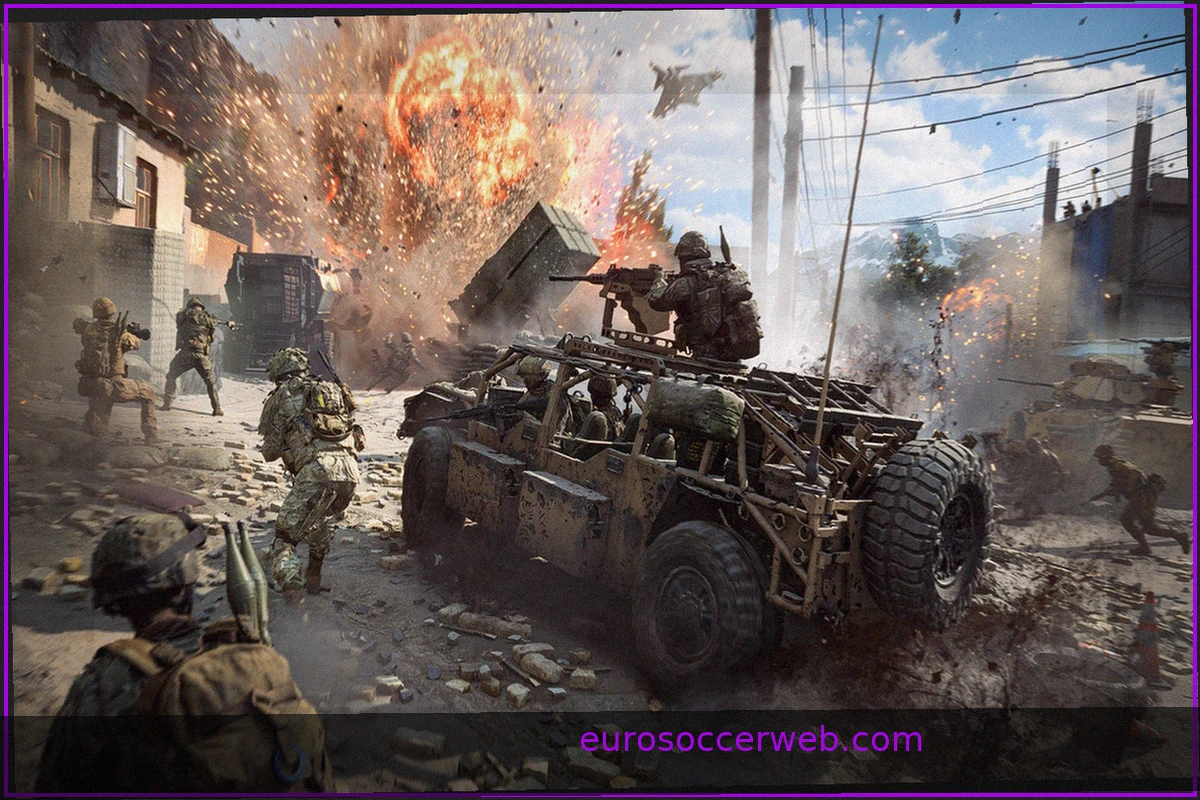
Sony in Talks for Battlefield Movie with McQuarrie and Jordan
Sony is negotiating to acquire big-screen rights for Electronic Arts' Battlefield. Christopher McQuarrie is attached to write, direct, and produce. Michael B. Jordan is also set to produce. Variety reports Sony declined to comment on the negotiations, which followed a bidding w
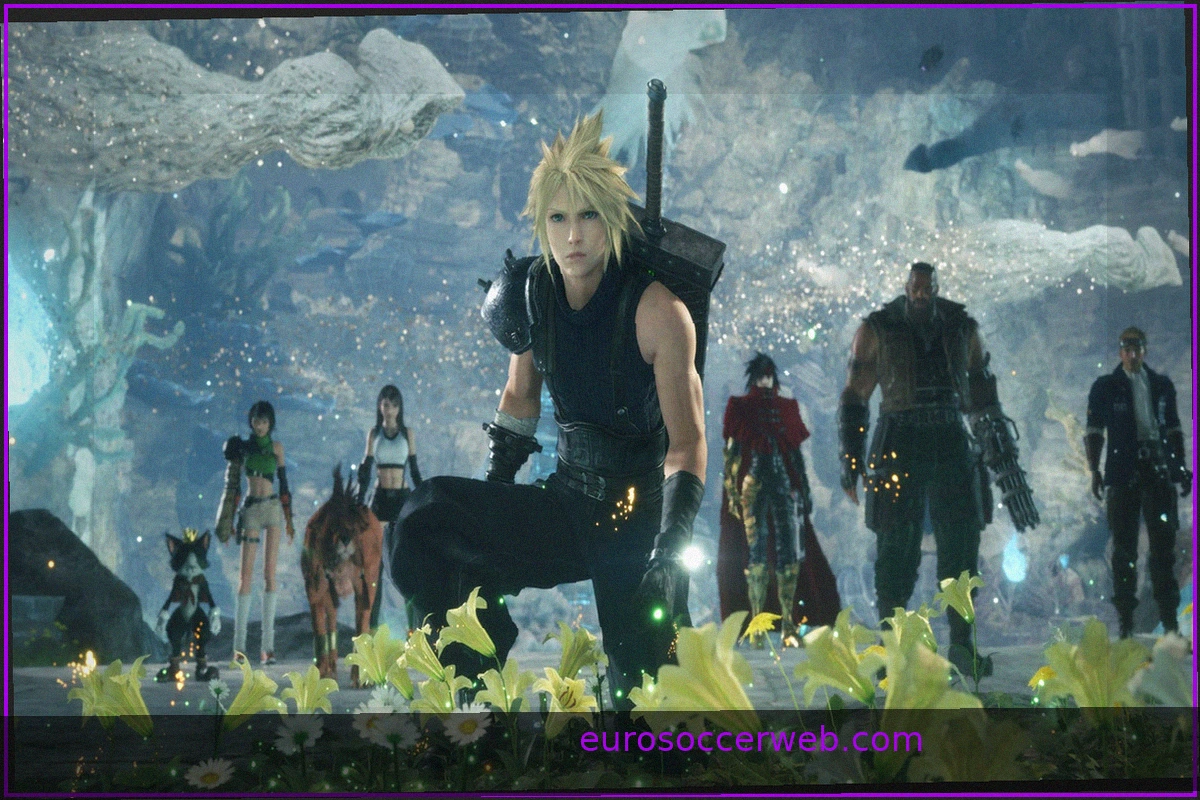
Final Fantasy 7 Rebirth Director Fought for Full Disc Release
Naoki Hamaguchi, director of Final Fantasy 7 Rebirth, stated he "did his best" to champion a full physical disc release for the game, acknowledging the industry's move towards digital formats. Hamaguchi shared his personal connection to physical games, recalling childhood purch
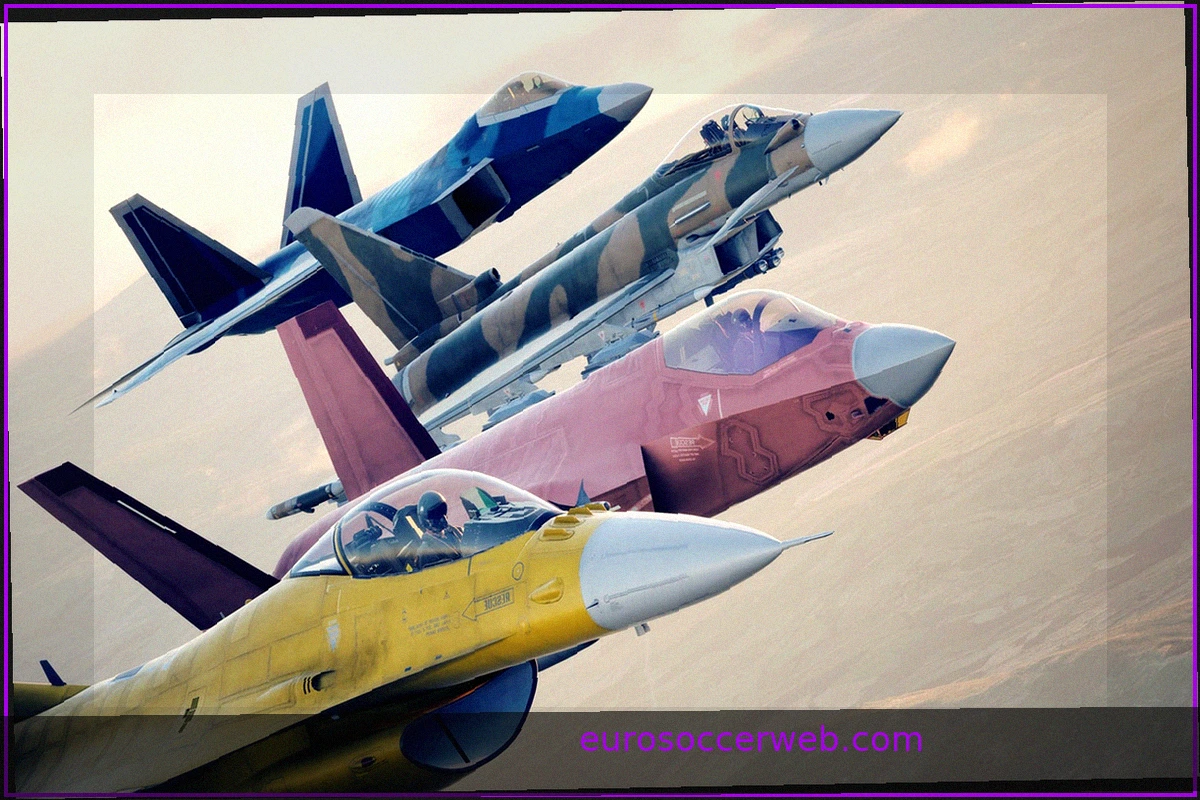
Ace Combat 8 Developer Apologizes for Belkan War Pre-Order Issue, Explains Reasoning and Promises Solutions
Ace Combat 8: Wings of Theve's early access launch faced criticism due to confusion over a pre-order bonus. The game was advertised with a copy of Ace Combat Zero: The Belkan War, but players discovered it wasn't a standalone title as implied. This angered players who paid the Deluxe editio