German Football's Fan Culture in the 'Age of the Influencer?'
For decades, German football supporters have voiced concerns about the sport's increasing commercialization. A new question now surfaces: what happens when supporters themselves become the product? The rise of influencers and content creators within German football stadiums is sparking significant pushback from organized fan groups.
Karlsruher SC notes that stadium vlogging and influencer presence has gained considerable attention. The club is discussing this issue with the Bundesliga and other clubs, touching upon media rights, privacy, commercialization, and the fundamental question of who decides what's acceptable in a stadium.
At Dynamo Dresden, extensive talks between the club and fan representatives led to formal restrictions on commercial stadium vlogging. Similarly, the recognized fan organization Supporters Karlsruhe has strongly opposed what it terms "Fanszenen-Influencer" and stadium vloggers.
Dresden has integrated concerns about commercial filming into its club policy, assigning enforcement solely to the club and its security staff. In Karlsruhe, Supporters has declared certain activities culturally unacceptable and claims to have removed at least one influencer from the stadium.
This distinction is central to the broader German discussion.
Karlsruhe Supporters Reject the Commercialization of Their Culture
Supporters Karlsruhe released a pointed statement on September 9, framing stadium influencers within a wider critique of the creator economy.
The organization stated, "Social media and influencers have now made their way into practically every conceivable part of everyday life. Whether fitness, cooking, travel or lifestyle, the formula is always the same: as long as the clicks are there, the reach increases and the bank account fills through crude advertising and sponsorship deals."
The statement continued, "By now, however, content creators are also profiting from our fan culture for their own personal gain. Shirts are rated for the sake of it and fan chants are judged as though they were goods on a bargain table."
The core issue is clear: active supporter groups dedicate immense unpaid effort and resources to banners, choreographies, flags, songs, and displays. These visuals often become iconic representations of German football. Supporters Karlsruhe expressed particular disdain for creators who then presume to critique these efforts.
The statement noted, "Others set themselves up as supposed experts and judge the performances of the terrace without having even the slightest idea how much work goes into organizing a choreography or how a supporters’ end actually functions. At the same time, these people adorn themselves with the values, romance and imagery of our terraces in order to give themselves an authentic image."
Concluding, "Those same values are trampled underfoot without hesitation as soon as the first commercial deal or additional reach is at stake. Fan culture is not a lifestyle product, a photo opportunity or a tool for your self-promotion! We do not want fan-scene influencers or stadium vloggers — neither online and certainly not here with us in the Wildpark!"
The Karlsruhe dispute intensified when Supporters indicated their actions were more than just words.
One Alleged Ejection Shifts the Karlsruhe Debate
Supporters claim at least one influencer was removed from the stadium by fan scene members.
The statement remarked, "Things become completely bizarre when they are thrown out of the stadium by the fan scene and subsequently portray themselves on social media as the great victim."
This raises questions of authority. KSC holds the Hausrecht (right to control access and conduct), making the club formally responsible for removing spectators. KSC did not directly comment on the alleged ejection but stated they are in close contact with fan representatives and mediating between them and influencers to find a "solution-oriented dialogue."
KSC does not endorse unrestricted commercial filming; existing rules already prohibit unauthorized commercial use of recordings. The club has stressed that commercial stadium recordings require permission and are governed by Bundesliga media regulations.
Supporters Karlsruhe's stance also holds institutional weight, as KSC recognizes them as the official fan umbrella organization.
Supporters are entitled to express their vision for fan culture and ask visitors to respect terrace norms. They can object to the appropriation of choreographies or supporter work for commercial gain.
However, this does not grant them the right to enforce these cultural preferences on everyone in the stadium. This line becomes clearer when looking at Dresden.
Dresden Spent Months Debating the Same Problem
Dynamo Dresden's approach wasn't sudden. The issue was repeatedly discussed at the club's regular Turnustreffen, meetings involving club officials, fan groups, and representatives.
By spring 2026, stadium vlogging was an established agenda item. Further discussions followed before the club updated its stadium rules in the summer. On August 12, Dynamo published an open letter with the clear headline: "Vloggen? Nicht bei Dynamo."
The policy itself is more nuanced than the slogan suggests. Dynamo did not ban personal photography or short video recordings. The boundary was drawn around commercial exploitation.
Filming match action and stadium visits for monetization is prohibited under stadium rules. Dynamo cited the protection of its media rights and those of broadcasters, along with the interests of spectators who prefer not to have constant cameras around them.
The club now includes this policy in matchday communications, reminding supporters that commercial vlogging is prohibited and directing them to contact security if they witness breaches. Crucially, Dynamo emphasized that enforcement of stadium regulations belongs "exclusively to the club and the deployed security service."
Independent enforcement by third parties is not permitted. Dresden explicitly rejected "self-justice" in its season information, advising supporters to report violations to stewards.
This provision is particularly relevant given the Karlsruhe dispute. Dresden's organized fan scene helped create the policy but does not have independent enforcement authority.
This is Not Merely a Karlsruhe-Dresden Issue
While Dynamo has publicly formalized its response, and Karlsruhe presents the most visible conflict, the underlying issues affect German football broadly. KSC itself notes the increasing prominence of stadium vlogs and influencers, actively engaging with the Bundesliga and other clubs.
The legal and commercial framework extends further. DFB ticket conditions already differentiate between private, non-commercial recordings and commercial exploitation or public distribution. Commercial use requires prior written approval, and unauthorized distribution of match-related content can be prohibited.
Professional football's media ecosystem is increasingly built around tightly controlled digital content. DFL media regulations specifically cover club social media production around matchdays, showing how carefully material from professional stadiums is organized and rights-managed.
Simultaneously, football authorities collaborate with creators. For instance, in the Frauen-Bundesliga, DFB commercial regulations allow accredited influencers controlled access for certain promotional activities.
This apparent contradiction is significant. German football is not rejecting the creator economy; it's participating in it. The dispute centers on control: accredited creators operate within an agreed rights structure, whereas supporters independently monetizing footage might not.
For organized fan scenes, the concern transcends copyright. They worry that clubs and leagues might license commercial content derived from a culture the institutions themselves did not originate. This is where legal and cultural arguments diverge.
Fan Culture Deserves Protection, But Who Owns It?
There's a legitimate privacy argument beyond ultras wanting control over choreography images. Many spectators prefer not to spend 90 minutes with someone constantly narrating into a camera. Others may reasonably object to appearing in footage viewed by a large social media audience, especially when the creator profits.
A legal analysis of Dynamo's approach highlighted that commercial stadium videos can impact clubs' media rights, as well as individual spectators' image and privacy rights. It also noted an enforcement challenge: it's not always clear if footage is for personal memory or commercial publication.
This makes broad pronouncements easier than practical enforcement. Most spectators own smartphones and share photos or clips. Some have small online followings, others reach hundreds of thousands. Some monetize directly, others gain indirect commercial benefit.
Some film vlogs as a non-commercial hobby. The line between supporter and influencer is blurred. Dresden's solution is more workable: private documentation is allowed; commercial exploitation requires authorization.
Influencers Are Not Necessarily Outsiders
The strongest criticism from organized supporters concerns appropriation. If a creator treats the terraces solely as a backdrop, monetizes content produced by others' labor, and shows little interest in the community behind it, active fan groups have valid reasons to object.
A weaker argument suggests documenting football for online audiences is inherently incompatible with authentic support. Football itself no longer operates under that assumption.
Content creators are part of the Bundesliga's media landscape. League and association campaigns use influencers to reach younger, digitally-savvy audiences. Clubs manage their own social media and create matchday content for mobile platforms.
The creator is not automatically an intruder because the platform is YouTube, TikTok, or Instagram. Some creators are supporters themselves, documenting trips, stadium architecture, food, or atmosphere for those who can't experience it firsthand. Viewers might be disabled, live abroad, unable to get tickets, or simply curious about a German football matchday beyond television.
Local reactions to the Karlsruhe controversy reflect this division. Some supporters back the effort to protect traditional terrace culture, while others question an organized fan body's right to define legitimate support. This debate will likely spread, as the underlying tension is universal.
Clubs, leagues, and broadcasters market atmosphere. Supporters largely create it. Creators increasingly want to package it for their own audiences. The unresolved question is how much of that culture is legitimately commercializable.
Karlsruhe and Dresden Expose the Real Dividing Line
Dynamo's approach offers a clearer practical distinction: private memories remain private, commercial content requires permission. Shared terraces demand mutual respect, and the club, not self-appointed enforcers, determines rule violations.
KSC's existing rules already restrict commercial media use, and the club is mediating between organized supporters and creators, rather than simply adopting Supporters' demands as policy.
This is likely appropriate. Organized fan scenes hold genuine cultural authority, as much of the atmosphere German football markets would not exist without them.
The work behind choreographies is real, and resentment over others monetizing it is understandable. Spectators' desire to enjoy football without being unwilling extras in someone else's content is also valid.
However, cultural authority should not grant jurisdiction over everyone else in the stadium. The creator economy introduces a complex new form of commercialization. Traditionally, supporters could direct their criticism upward at broadcasters, sponsors, leagues, and clubs. Now, individuals alongside them can monetize the same environment.
Karlsruhe and Dresden are where this argument has become particularly visible.
It is unlikely to end there.
German fan culture should not become a free film set for others.
Nor should terraces become a territory where organized supporters alone dictate who qualifies as a legitimate fan.
Fresh materials — Bundesliga News
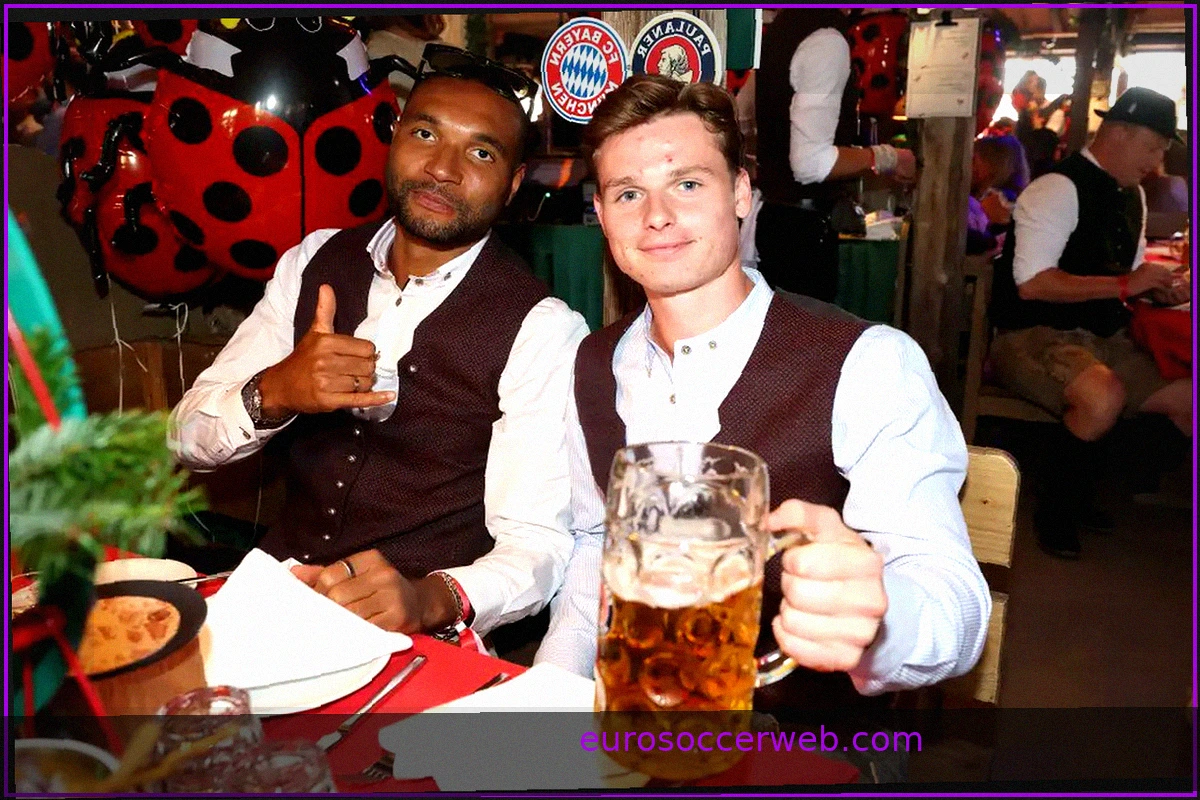
Jonas Urbig's Path to No. 1 for Club and Country Develops
Bayern Munich is building its future goalkeeping strategy around Jonas Urbig. While he currently serves as Manuel Neuer's backup, Bayern has strategically included Urbig in early-season matches. The former 1. FC Cologne keeper has played in two of Bayern's first six competitive games. This app
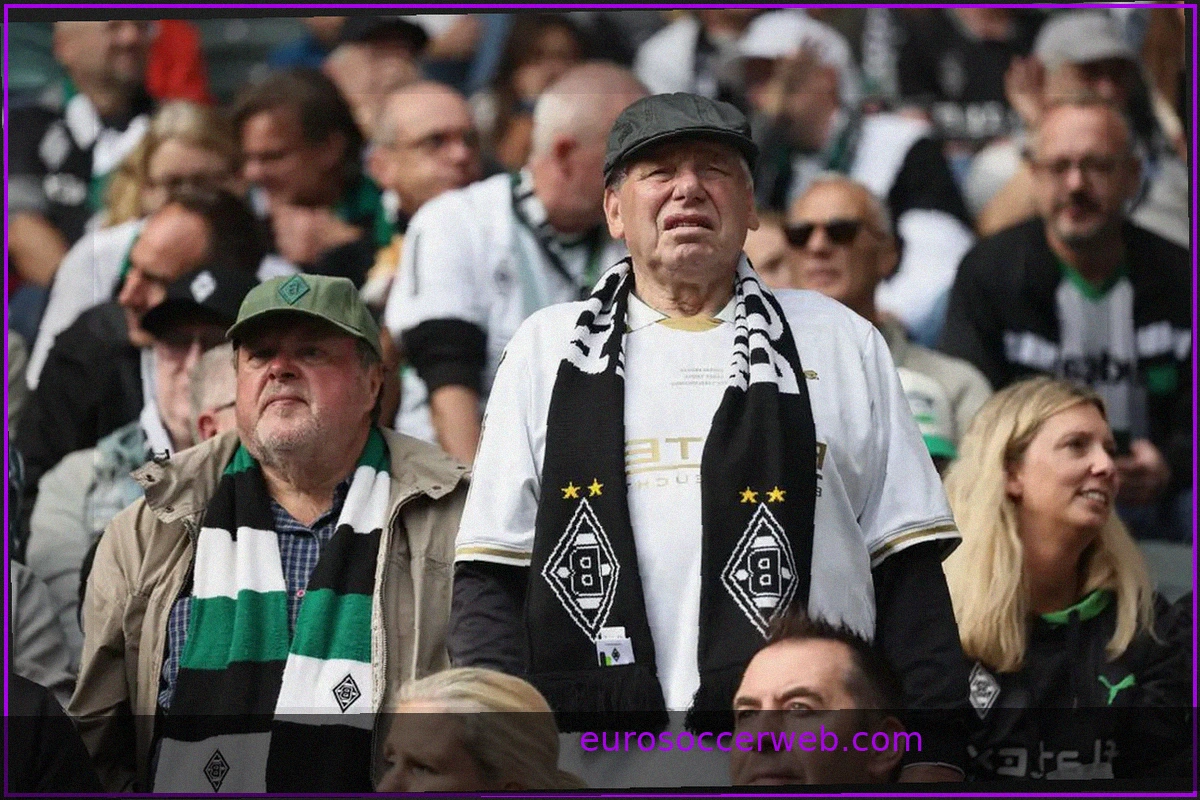
Jan-Moritz Lichte leaves next Borussia Mönchengladbach head coach with plenty to ponder
Borussia Mönchengladbach's recent loss did little to lift them from their disastrous start, leaving the club at the bottom of the Bundesliga. Interim trainer Jan-Moritz Lichte, however, managed to equip Eugen Polanski’s eventual permanent successor with more to consider than a one-match assign
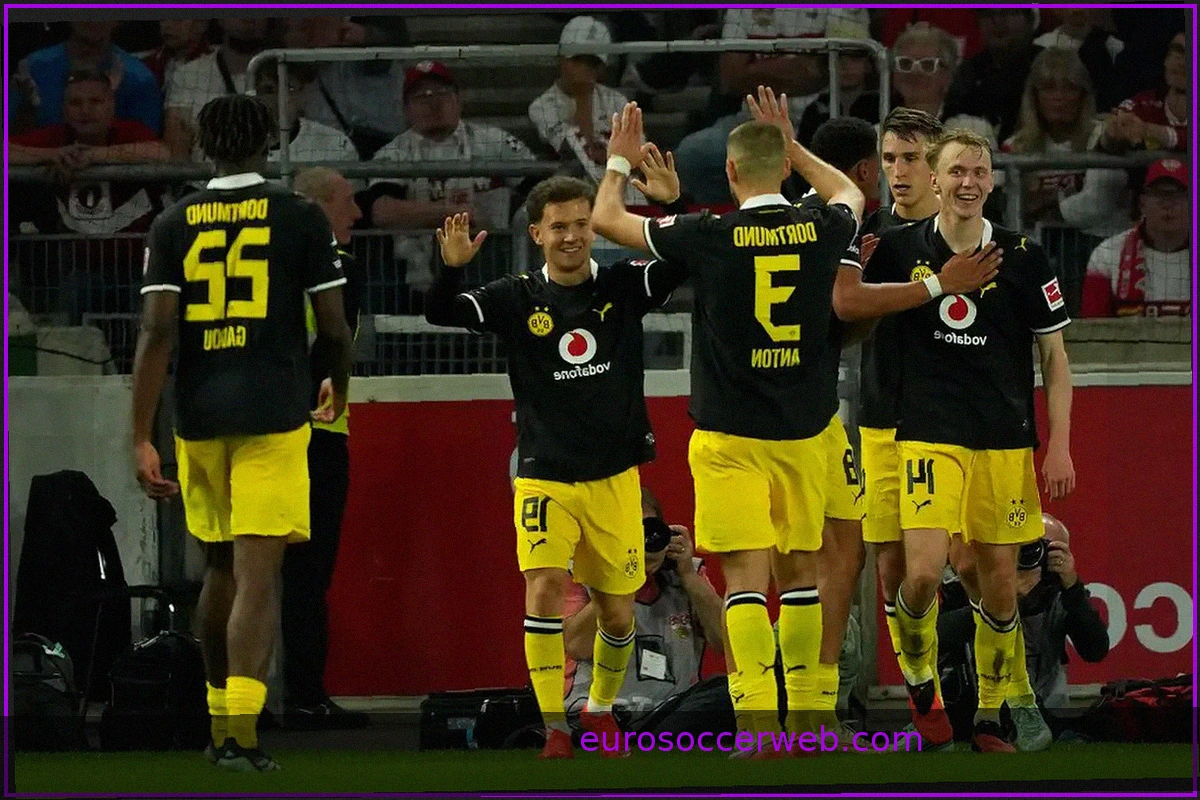
Bundesliga Player Ratings: Stuttgart 0-1 Borussia Dortmund - Maximilian Beier Goal Secures Dortmund's Perfect Start
Borussia Dortmund aimed to keep their perfect season record intact with a challenging away match against Stuttgart. Stuttgart, meanwhile, has experienced a mixed season so far. The first half offered few clear-cut chances for either team. Dortmund controlled possession more and entered Stut

Jürgen Klopp on Germany's New Call-Ups: "We See Potential in These Players."
Jürgen Klopp urges a broader view when evaluating the many new faces in his initial German national team roster. The new head coach named 44 players across two groups for upcoming UEFA Nations League matches, including 11 who had never before received a senior national team call-up. Some c
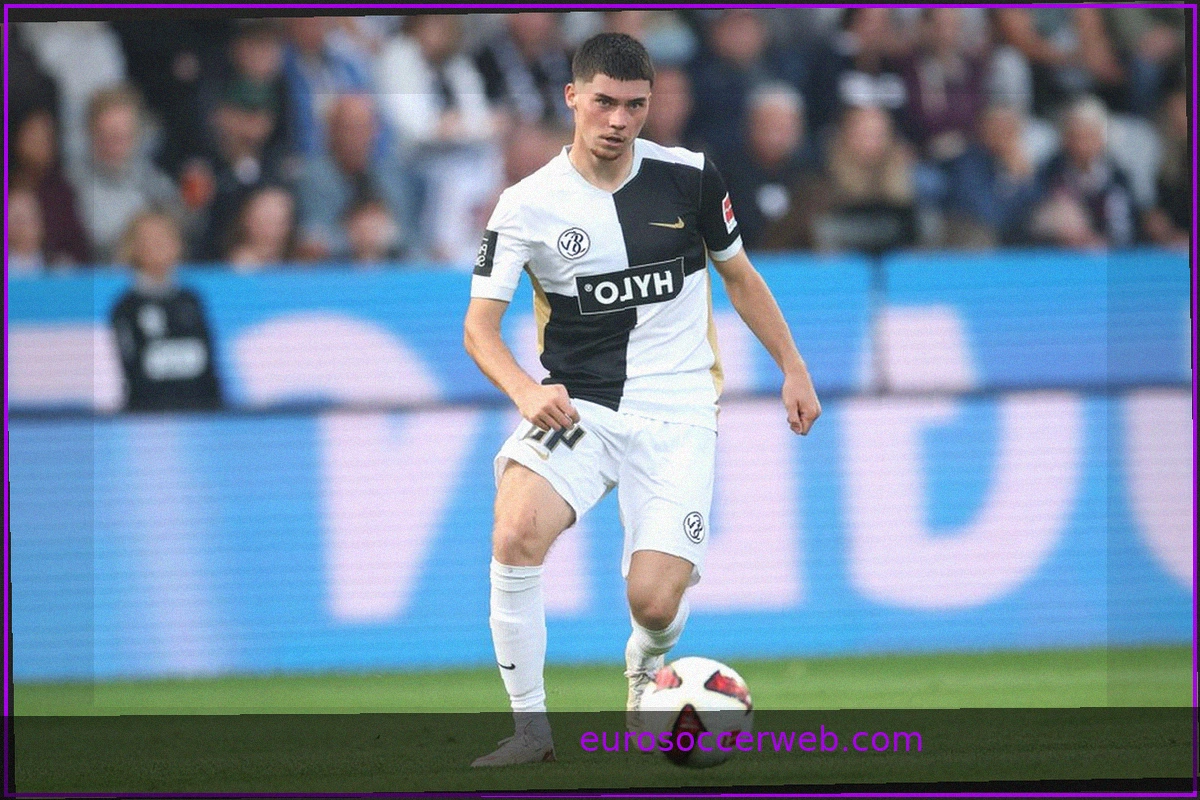
Who is Felix Keidel? New German National Team Call-Up Analyzed
SV Elversberg midfielder Felix Keidel stands as a notable surprise in Jürgen Klopp’s inaugural Germany squad. The 23-year-old, with just three Bundesliga appearances to his name and no prior national youth team experience, is reportedly set for his senior national team debut in the upcoming Na
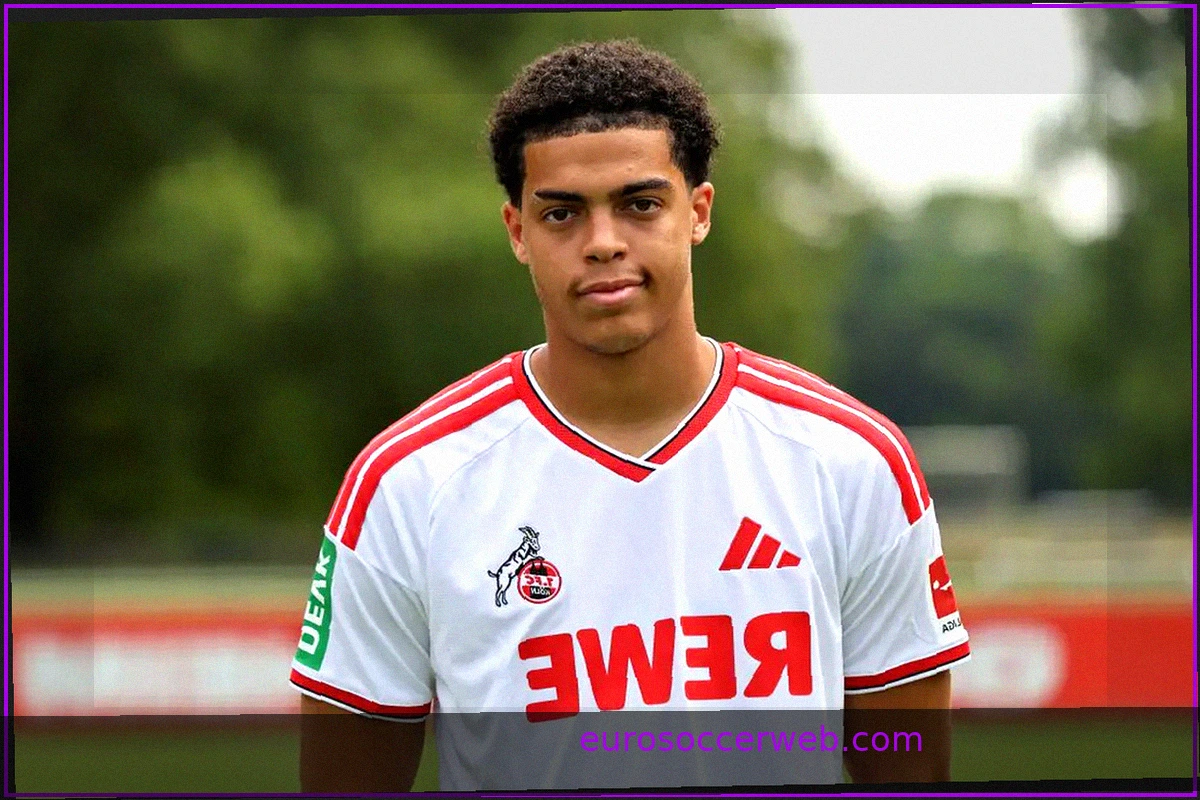
Jahmai Simpson-Pusey Embraces Cologne's Growing English Influence: "We Have Some English Culture in the Team Now."
Jahmai Simpson-Pusey quickly felt at home in the Bundesliga. The Manchester City academy product joined 1. FC Cologne in January under challenging circumstances. He moved to the cathedral city after a brief, unsuccessful loan spell at Celtic. The young defender initially arrived on loan to add